
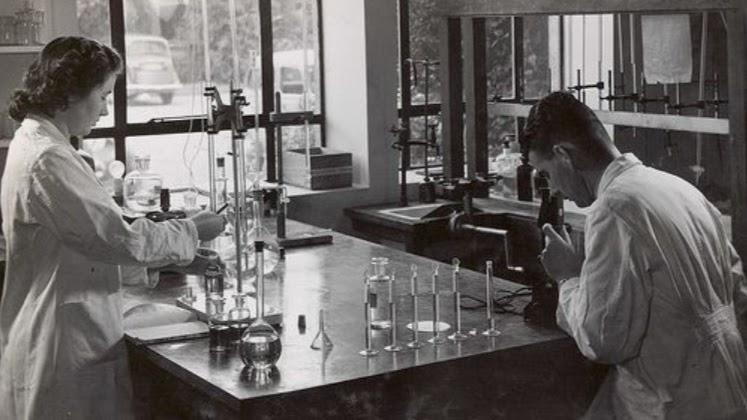
1950s anesthesia research
In the 1950s, physicians and chemists searched for anesthetic drugs with analgesic properties that could reduce surgical pain and improve recovery. PCP was originally explored for this purpose, but adverse side effects made it unsuitable as a broad anesthetic option.
1960s ketamine is created
Ketamine, a close structural analog of PCP, was first synthesized in 1962 and tested in 1964. Researchers found that it produced many anesthetic and analgesic properties with fewer adverse effects, and it became known as a dissociative anesthetic.
1970s clinical trials
Clinical trials in the 1970s confirmed ketamine's analgesic qualities. It was also approved by the FDA for field anesthesia during the Vietnam War. Use later declined as other anesthesia drugs became more common and ketamine became a controlled substance.
Current research
Modern research has renewed interest in ketamine for treatment-resistant depression and other mental health conditions. Clinical observation and published research continue to explore potential benefits for anxiety, PTSD, chronic nerve pain, migraines, CRPS, fibromyalgia, and neuropathy.