
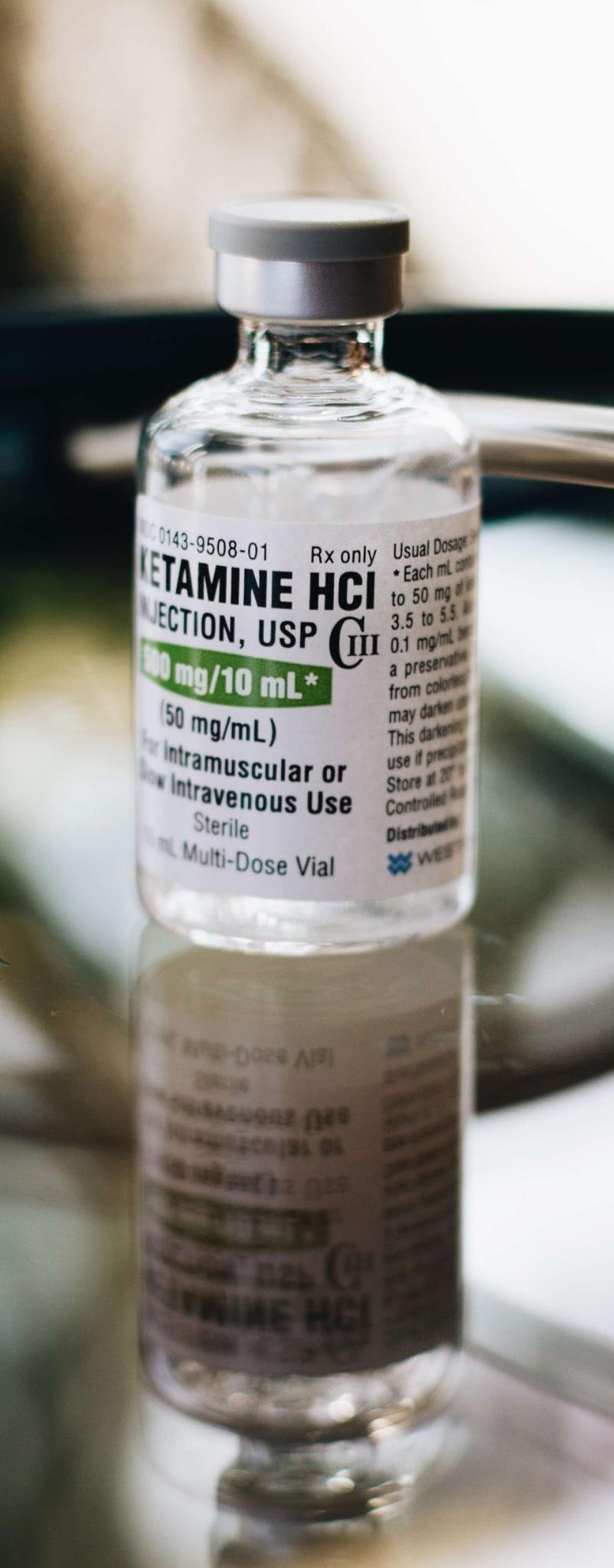
What is ketamine?
Ketamine was developed as an anesthetic and is still used in medical settings. Research and clinical use have expanded interest in ketamine for treatment-resistant mood disorders and chronic pain because of its effects on the nervous system and pain signaling pathways.
FDA approval context
Racemic ketamine is FDA approved for anesthetic use and may be used off label at the discretion of a prescribing medical professional. Esketamine, often sold as Spravato, is an FDA-approved nasal spray for certain depression indications.
Who may not be a candidate?
- Patients actively abusing drugs or alcohol may be excluded from ketamine infusion treatment.
- Pregnancy, uncontrolled high blood pressure, acute cardiovascular disease, recent concussion, schizophrenia, increased intracranial pressure, or prior unexpected adverse reactions require careful review.
- A full medical history helps the provider determine whether ketamine is appropriate and safe.
Risks and dosing concepts
Ketamine infusions for psychiatric disorders or pain are not intended for full sedation or anesthesia. Therapeutic treatment uses lower dosing and may produce mild to moderate dissociation. Side effects can include dissociation, elevated heart rate, increased blood pressure, nausea, blurry vision, dizziness, drowsiness, or vomiting, and most patients recover within hours.